Top 15 Proposed Changes to Texas Lawyer Advertising Rules

These proposed changes would allow trade names and make it easier for Texas lawyers to share educational content on social media.

These proposed changes would allow trade names and make it easier for Texas lawyers to share educational content on social media.

Does misappropriation of trade secrets create a presumption of irreparable injury in Texas?

When the case involves a sales person or other low to mid-level employee, the Sales Territory principle will usually explain why the court found the geographic area reasonable or unreasonable.

Bostock shows that Strict Textualism fails to deliver on its central promise of providing an objective, determinate, non-political basis for deciding hard cases.

How do you submit “misappropriation” to the jury in a Texas trade secrets trial?

The court emphasized that it is up to each voter to decide whether to apply to vote by mail based on a disability, and that county clerks have no duty to look beyond the face of the application.
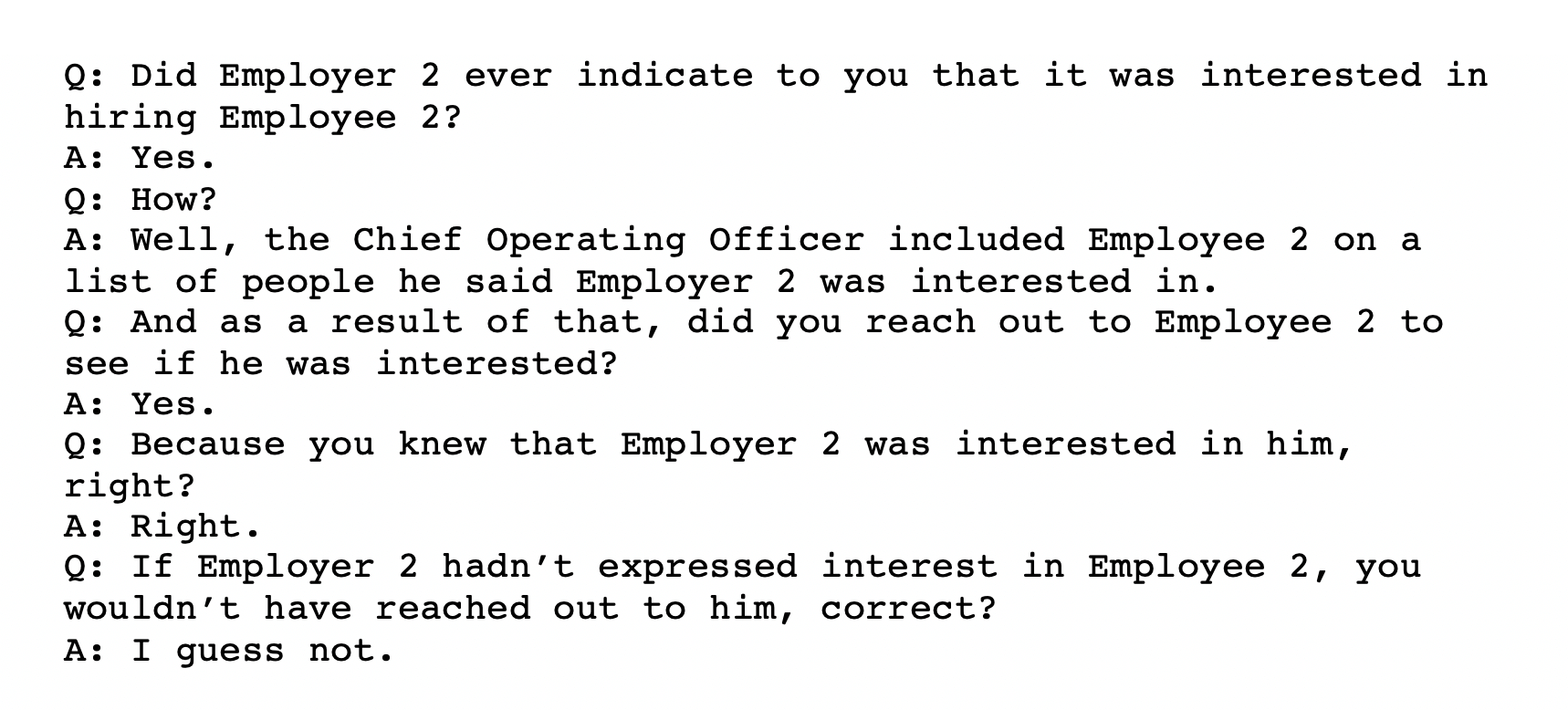
Applying knowing participation in breach of fiduciary duty to departing employee litigation

File a non-compete lawsuit too soon, and you may not have evidence of imminent harm. But file it too late and . . .

After almost four years of blogging, I’m finally sharing some of the hard-won wisdom I have earned.

Most non-competes have an “ipso facto” clause saying a breach is grounds for an injunction. Is that binding on the judge?